Enhancing Independence: Smaller Senior Care Residences and Daily Living Support
Business Name: BeeHive Homes of Volcano Cliffs
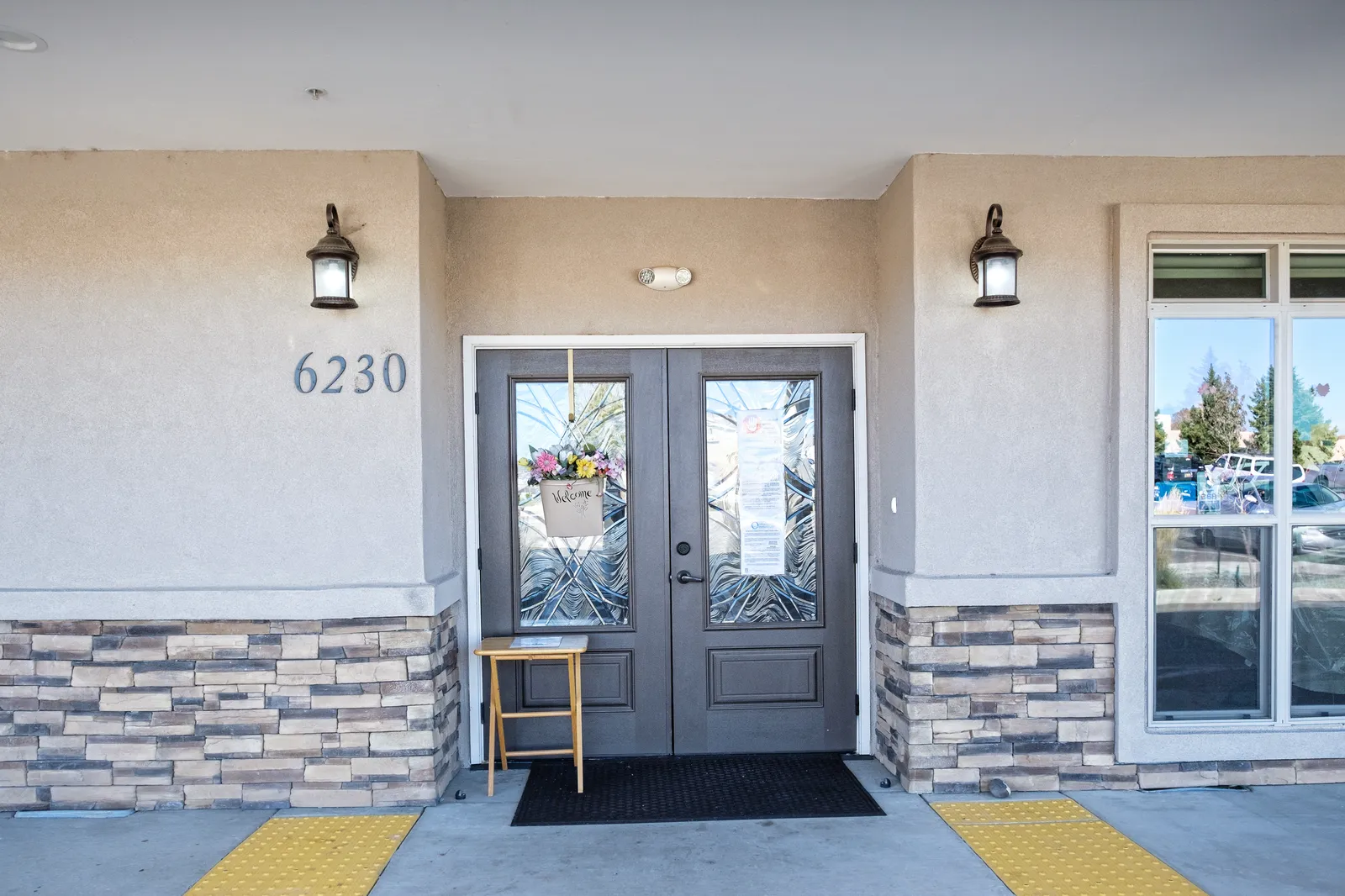
Address: 6230 Montaño Rd NW, Albuquerque, NM 87120
Phone: (505) 302-1919
BeeHive Homes of Volcano Cliffs
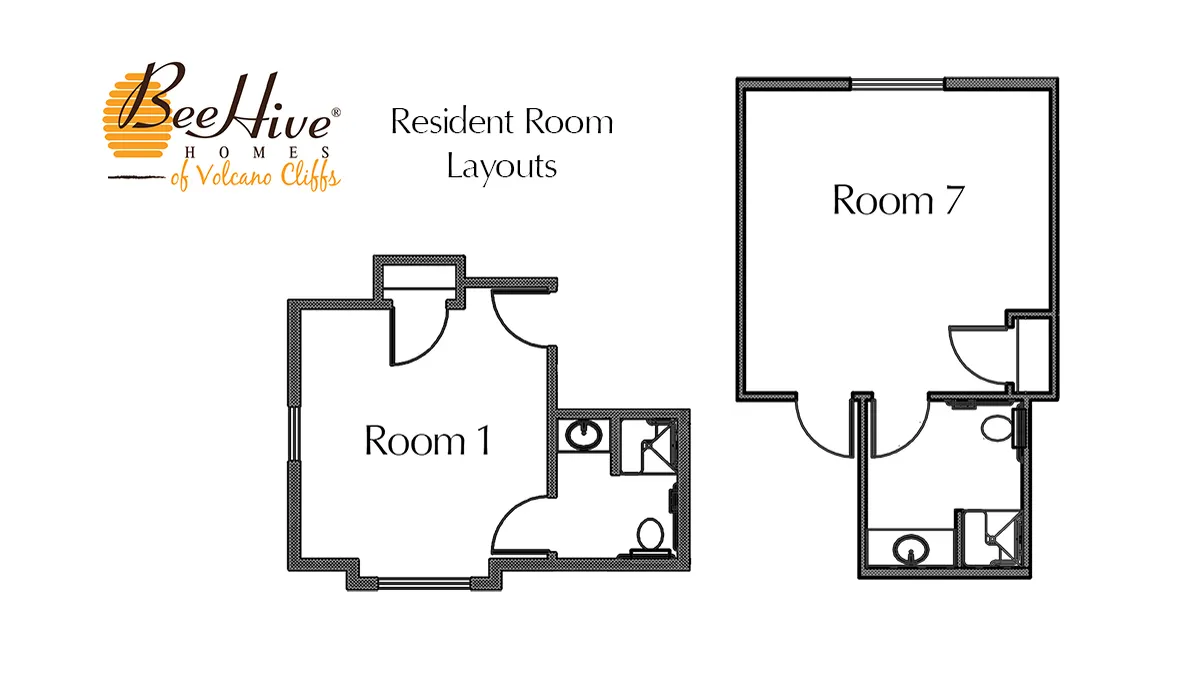
At BeeHive Homes of Volcano Cliffs, New Mexico, we offer the finest assisted living experience available in a cozy, comfortable homelike setting. Each of our residents has their own spacious room with an ADA approved bathroom and shower. We prepare and serve delicious home-cooked meals three times a day every day. We maintain a small, friendly elderly care community. We provide regular activities that our residents find fun and contribute to their health and well-being. Our staff is attentive and caring and provides assistance with daily activities to our senior living residents in a loving and respectful manner. We would like to invite you to tour and experience our assisted living home and feel the difference.
6230 Montaño Rd NW, Albuquerque, NM 87120
Business Hours
When households very first walk into a smaller senior care home, they frequently look surprised. They anticipate something that feels like a mini healthcare facility. Rather, they discover a routine home, slippers by the door, the odor of soup on the range, and homeowners chatting at a dining table that seats eight rather of eighty.
I have enjoyed that minute modification people's thinking. Families arrive searching for a place that can keep a loved one safe. They leave recognizing they may have discovered a place where that loved one can still live, not simply be cared for.
Smaller homes can be an option to large assisted living neighborhoods, to standard nursing homes, and in some cases even to remaining at home with cobbled-together assistance. Succeeded, they provide older adults a mix of independence, regular, and personalized daily living assistance that is tough to recreate elsewhere.
This is not magic. It is a set of practical choices about size, staffing, and philosophy that plays out minute by minute: aid with dressing that respects modesty and pace, a preferred tea made the proper way, a walk outside when someone feels uneasy rather of another hour in front of the television. Those information matter more than any sales brochure language about "person-centered care."
What smaller senior care homes really are
Families utilize lots of expressions for these settings: residential care homes, board-and-care, care homes, small-group assisted living. The terms differs by state and country, however the core idea corresponds.
A smaller senior care home typically implies:
- A certified residence with a small number of locals, often ranging from 4 to 16, living in a house-like environment.
That is the first list.
These homes typically supply assisted living level services: help with personal care, medication management, meals, housekeeping, and coordination with outdoors health care. They are part of the wider senior care landscape, along with larger assisted living neighborhoods, nursing homes, and at home elderly care.
Where they differ is scale and atmosphere. Instead of long corridors and numerous dining rooms, you see a routine living room with familiar furniture, a cooking area that smells like genuine cooking, and bed rooms that appear like bedrooms, not health center spaces. Personnel are typically called by given names, and citizens are too. Shift modifications are quieter, paperwork is less visible, and regimens flex more quickly around individual habits.
Not every smaller home offers the same level of care. Some operate nearly like independent living with light support, others manage advanced dementia, oxygen management, or complex medication schedules. That is why labels alone are not enough. The genuine concern is what daily living assistance they can deliver, and how that assistance is woven into the rhythm of the day.
Independence and everyday living: more than slogans
Families often state, "We desire Mom to stay independent as long as possible." The problem is that self-reliance looks extremely different at 75 than at 92, and different once again when somebody is coping with Parkinson's or moderate dementia.
Professionally, we break day-to-day function into 2 groups.
Activities of daily living (ADLs) consist of bathing, dressing, grooming, eating, toileting, and transferring, such as moving from bed to chair. Critical activities of daily living (IADLs) include tasks like cooking, managing medications, paying costs, housekeeping, and utilizing transportation.Independence does not indicate doing everything alone. It suggests being able to get involved meaningfully in your own life, with the best level of assistance. A person who can no longer securely enter a tub might still select their own clothing, comb their hair, and decide whether they prefer an early morning or evening shower. That is independence, even if a caretaker is standing by.
Smaller senior care homes, at their best, excel at this nuance. With fewer homeowners and a more home-like structure, staff can adjust support to the exact point where it is needed. Rather of "shower days" dictated by a facility schedule, a resident might be asked, "Are you feeling up to a shower today, or would you choose this evening after dinner?" Instead of a repaired dining hall menu, staff might discover that someone has barely touched breakfast for three days and ask, "Would toast and peanut butter sit much better than eggs today?"
Those small options support identity and autonomy. With time, they form how somebody feels about themselves: an individual still making choices, not an item being managed.
How smaller homes enhance independence
The benefits of smaller senior care homes are manual. They depend upon management, staffing, and training. When those align, a number of advantages tend to emerge.
Familiar scale and foreseeable faces
Human beings orient themselves in area and relationship. Environments that are modest in size, with clear lines of sight, are much easier to browse for older adults, specifically those with moderate cognitive problems or visual difficulties. In smaller homes, the course from bedroom to bathroom to cooking area is short and rapidly familiar. Homeowners typically discover who lives where, who sits at which chair, and who typically assists with what.
Because there are less locals, personnel turnover is quickly noticed. That can be a weak point if turnover is high, but when leadership invests in retention, the outcome is a core group of caregivers who actually know each resident. Mrs. Thompson is calmer after her tea. Mr. Patel prefers his afternoon nap in the recliner, not the bed. These details accumulate into trust. When locals trust caretakers, they are more going to try tasks themselves with a bit of assistance, rather than avoiding them out of worry or confusion.
A various sort of staffing pattern
In big assisted living buildings, staffing is often organized by corridors or floors. Caregivers might be responsible for 12 to 20 locals each. In smaller homes, the ratio is generally lower, and the functions are less segmented. The exact same person who assists somebody dress might also serve them breakfast, notice that they are strolling more slowly, and later mention it to the nurse.
That connection matters for independence. Instead of stepping in just when tasks fail, personnel can prepare for problems and change assistance. A caregiver may see that a resident is taking longer to button t-shirts however still wants to try. They can recommend loose, front-opening tops, set up the shirt on a flat surface area, and after that step back. The resident finishes the task with self-respect, not frustration.
From a practical perspective, I often see smaller homes "catch" functional decline earlier. A caretaker who sees early morning regimens every day notifications when a resident begins leaning on the sink to stand, or when it takes twice as long to connect shoes. Early recognition indicates physical therapy or mobility help can be presented before a fall, which protects both safety and confidence.
Flexibility in day-to-day routines
In conventional facilities, schedules exist partially to handle intricacy: a lot of citizens, numerous tasks. Meals, baths, group activities, and medication rounds cluster around set times. For some people, this structure works well. Others feel pressed into a rhythm that does not match their long-lasting habits.
Smaller senior care homes can frequently flex their regimens more quickly. If a night owl prefers breakfast at 10:00 instead of 8:00, it is typically possible without interrupting an entire wing. If a resident likes to shower every other day instead of on "Monday, Wednesday, Friday," the group can adapt. That flexibility supports independence by letting individuals live closer to their natural patterns.
One of my preferred examples involves a retired baker who had actually constantly woken up around 4:30 in the early morning. When he moved into a small home, the personnel concurred that as long as it was safe, he might keep that routine. They pre-set the coffee machine and put his preferred mug on the counter. He did not bake at that hour anymore, however the peaceful time in the dim cooking area with a warm mug in his hands felt like connection with the life he had built.
Social life without overwhelm
Social contact is crucial in elderly care. Seclusion speeds up cognitive decline and depression. Big assisted living communities frequently advertise their activity calendars, and for some homeowners, that variety is precisely ideal. For others, specifically those with hearing loss, anxiety, or dementia, huge group occasions feel more like noise than connection.
Smaller homes provide a different model. Discussions generally unfold amongst a handful of people: three locals and a caregiver at the table, 2 individuals folding laundry together, someone chatting with a visitor in the garden. These settings make it easier for quieter homeowners to participate. Personnel can tailor activities in the moment: turning an easy job like snapping green beans into a shared activity, or inviting somebody to help set the table rather than putting them in a bingo video game they never ever liked.
It is self-reliance of personality, not simply function. Individuals can remain introverted or social, talkative or reserved, and still be woven into day-to-day life.
Comparing smaller homes, big assisted living, and staying at home
Families frequently feel they need to select between remaining at home with help, transferring to a big assisted living facility, or transitioning to a smaller care home. Each option has strengths and trade-offs, and the best choice depends upon the individual's needs, character, financial resources, and assistance network.
Here is an easy method to consider it:
- Home with services: Maximizes control over environment and routines. Works finest when the home is safe to browse, family or friends can fill spaces between expert visits, and the individual can tolerate durations alone. Cost can be surprisingly high when care requires method 24 hours.
- Large assisted living: Offers amenities, activity range, and a social "campus." Best fit to more independent elders who enjoy groups, can adapt to structured schedules, and do not require heavy one-on-one help. Typically an excellent match early in the aging journey.
- Smaller senior care homes: Provide close supervision and hands-on assistance in a relaxed, residential setting. Usually work best for those who need constant assistance with ADLs, benefit from a quieter environment, or feel overwhelmed in huge buildings. Might be more affordable than personal 24-hour home care, however less adjustable than living at home.
That is the second and final list.
Respite care can suit any of these classifications. Some smaller homes accept short-term stays, offering household caregivers a break. A week or two of respite can also function as a "trial run," letting everybody see how the environment affects mood, movement, and engagement before making longer-term decisions.
Daily living support in practice
When examining senior care alternatives, families typically hear basic declarations: "We aid with all activities of daily living," or "Comprehensive support with individual care." Those expressions do not record what the care feels like from the resident's perspective.
In a smaller care home, a normal early morning may appear like this. A caretaker knocks, waits for a reaction, then goes into and greets the resident by name. They ask how the night went and listen to the response. Together they choose whether today is a shower day or a fast wash-up. The caregiver lays out two attires that match the weather and asks which is chosen. If arthritis has actually stiffened the resident's hands, the caretaker might direct their arms into sleeves while allowing them to pull the shirt down themselves.
Medication support is woven in. Pills are not thrown into small paper cups and lined up on carts in a corridor. Instead, a team member brings the medication to the resident, explains what each is for if the resident wishes to know, offers a favored beverage, and waits enough time to ensure everything is actually swallowed. For someone with memory problems, that patience can prevent missed doses.
Mobility support frequently gains from the home-like scale. The distance from bed room to bathroom may be just far enough to count as mild workout, with a caregiver strolling along with. If somebody is unstable, staff can encourage using a walker without turning every transfer into a crisis. They are not viewing twenty residents at once, so they can take those additional minutes at the start of motion, which is when most falls can be prevented.
Meals in a smaller home tend to look like family-style dining. Options are typically more versatile than they appear on a composed menu, since the individual cooking is often the one serving. A resident who liked spicy food throughout life ought to not unexpectedly have everything dull "for simpleness." With a little attention to dietary constraints and chewing capability, favorites can normally be maintained in some type. That protects enjoyment, which in turn supports hunger, weight, and strength.
Housekeeping and laundry become opportunities, not just jobs. Numerous locals want to assist fold towels, match socks, or dust their own night table. In a big facility, such participation can be difficult to supervise securely. In a small home, a caretaker can stand close by, chat, and carefully change the workload based upon fatigue.
Coordination with outside healthcare is also part of daily living assistance. Transport to doctor visits, sharing updates with families, and tracking modifications in behavior or cravings all affect independence. I have actually seen smaller homes where caregivers routinely join telehealth visits with the resident, including useful details that the resident may forget. "She is strolling a bit slower this month, and we saw more difficulty when she gets up from a low chair." That details can trigger timely physical treatment or medication modifications, avoiding crises that could require an undesirable move.
Respite care, when used in these homes, follows comparable routines however over a much shorter period. It allows both the resident and the household to experience how these assistances impact life. Frequently, households are amazed to see improvement in function. With consistent, unrushed assistance, someone who was "too tired" to shower safely at home may manage it frequently once again, merely because they feel less rushed and less anxious.
When a smaller home is not the best fit
No single senior care option fits everybody. Smaller homes, for all their advantages, are not perfect in every situation.
Residents who require extensive healthcare beyond the scope of assisted living, such as ventilator support, complex injury care, or regular IV treatments, are normally better served in a competent nursing center or hospital-based program. Some smaller homes partner with home health firms, but there are limitations to what can securely be managed in a residential setting.
Behavioral obstacles can also be difficult. A person with extreme aggressiveness, wandering that withstands all intervention, or significant exit-seeking habits might need a highly safe environment with specialized staffing. While some smaller homes are created particularly for sophisticated dementia, others are not physically set up for continuous redirection and danger management.
Cost is another element. Per-day rates for smaller homes are often competitive with larger assisted living facilities, often lower. Nevertheless, the all-encompassing nature of the prices, while hassle-free, can restrict flexibility. In some areas, Medicaid or public funding is less available for small residential options than for bigger organizations, narrowing access.
Personal preference matters too. Some older adults enjoy energy, range, and structured shows. For them, a big assisted living community with regular events, an on-site fitness center, or a busy lobby may feel more interesting. A peaceful bungalow with 8 residents, however well run, may feel too small.
The key is to match the setting not just to practical requirements, but likewise to character and values. An introverted individual who has constantly chosen a tight circle of relationships might grow in a smaller care home. A lifelong extrovert who organized neighborhood gatherings may prefer a bigger environment, even if it means compromising some flexibility around routine.
How to examine a smaller senior care home
When families tour smaller homes, the experience can be deceptively enjoyable. The scale feels comfy, the staff seem friendly, and it smells like dinner. To move past impressions, concentrate on what daily life will look like.
During visits, take notice of who is in common areas and what they are doing. Are residents taken part in small conversations, viewing television with interest, or sleeping in wheelchairs? Do personnel address homeowners by name and at eye level, or from a range while multitasking? Observe how someone who is confused or distressed is dealt with. Calm redirection and mild explanation suggest training and patience.
Ask specific concerns. How many residents are here, and how many staff are on duty during days, evenings, and nights? Who prepares meals, and how flexible are they with preferences and cultural foods? Can citizens pick their own waking and sleeping times? How are changes in health interacted to households? If the home provides respite care, ask how short stays are incorporated into the everyday routine.
It is also worth asking caregivers themselves the length of time they have actually worked there and what they like about the job. Individuals who feel reputable and heard are most likely to remain, reducing turnover. Connection is one of the greatest indicators that a home can support independence gradually, not simply supply fundamental elderly care.
Regulatory history matters too. Look up examination reports where possible and ask how any kept in mind deficiencies were corrected. No setting is perfect, but a pattern of the exact same issues repeating across years is a caution sign.
Keeping identity at the center
The best smaller senior care homes deal with independence as more than physical capability. They secure identity: who someone has actually been, what they value, what they still wish to contribute.
For one resident, that might mean listening to symphonic music each early morning while reading the newspaper, even if a caretaker now needs to hold the paper in place. For another, it might imply continuing to practice a faith tradition, with staff advising them of service times or organizing transport. For someone else, it could be as easy as protecting an enduring routine of calling a brother or sister every Sunday evening.
Families play an essential role in this. The more information staff have about biography, preferences, worries, and practices, the better they can customize daily living support. I frequently encourage families to write a short "about me" file: preferred foods, former tasks, essential relationships, pastimes, and routines. In a small home, staff are in fact likely to read and utilize it.
When senior care is organized by doing this, self-reliance does not disappear as needs grow. It moves, from doing jobs alone to directing how those jobs are done. A resident might no longer cook the meal, but they can pick what is on the plate. They may not handle their own medications, but they can choose to talk about negative effects with their doctor. That sense of agency is what sustains dignity.
Bringing it back to what matters
At its heart, the choice of a smaller senior care home has to do with how somebody will live every day, not simply where they will sleep. It is about whether an individual will feel understood when they get up confused, whether a caretaker will bear in mind that they like sugar in their tea, whether there is time in the schedule for a sluggish walk on a good-weather afternoon.
Smaller homes can not resolve every problem in aging, and they are not generally the very best choice. Yet when they are attentively run, with steady personnel and genuine attention to day-to-day living assistance, they provide something lots of households yearn for: a setting that can keep a loved one safe without erasing the patterns and preferences that make that individual who they are.
For older grownups who require assisted living or respite care, and for households stabilizing security, independence, and feeling, these homes can bridge the gap between "at home" and "in a center." They show that senior care does not have to feel institutional. It can seem like assisted living facilities in albuquerque nm beehivehomes.com life continuing, with assistance, in a smaller and more manageable frame.
BeeHive Homes of Volcano Cliffs provides assisted living care
BeeHive Homes of Volcano Cliffs provides respite care services
BeeHive Homes of Volcano Cliffs supports assistance with bathing and grooming
BeeHive Homes of Volcano Cliffs offers private bedrooms with private bathrooms
BeeHive Homes of Volcano Cliffs provides medication monitoring and documentation
BeeHive Homes of Volcano Cliffs serves dietitian-approved meals
BeeHive Homes of Volcano Cliffs provides housekeeping services
BeeHive Homes of Volcano Cliffs provides laundry services
BeeHive Homes of Volcano Cliffs offers community dining and social engagement activities
BeeHive Homes of Volcano Cliffs features life enrichment activities
BeeHive Homes of Volcano Cliffs supports personal care assistance during meals and daily routines
BeeHive Homes of Volcano Cliffs promotes frequent physical and mental exercise opportunities
BeeHive Homes of Volcano Cliffs provides a home-like residential environment
BeeHive Homes of Volcano Cliffs creates customized care plans as residents’ needs change
BeeHive Homes of Volcano Cliffs assesses individual resident care needs
BeeHive Homes of Volcano Cliffs accepts private pay and long-term care insurance
BeeHive Homes of Volcano Cliffs assists qualified veterans with Aid and Attendance benefits
BeeHive Homes of Volcano Cliffs encourages meaningful resident-to-staff relationships
BeeHive Homes of Volcano Cliffs delivers compassionate, attentive senior care focused on dignity and comfort
BeeHive Homes of Volcano Cliffs has a phone number of (505) 302-1919
BeeHive Homes of Volcano Cliffs has an address of 6230 Montaño Rd NW, Albuquerque, NM 87120
BeeHive Homes of Volcano Cliffs has a website https://beehivehomes.com/locations/volcano-cliffs/
BeeHive Homes of Volcano Cliffs has Google Maps listing https://maps.app.goo.gl/vC78eXZrUYuJ298v9
BeeHive Homes of Volcano Cliffs has Instagram page https://www.instagram.com/beehivealbuquerquewest
BeeHive Homes of Volcano Cliffs has an TikTok page https://www.tiktok.com/@beehivehomesalbuq
BeeHive Homes of Volcano Cliffs won Top Assisted Living Homes 2026
BeeHive Homes of Volcano Cliffs earned Best Customer Service Award 2025
BeeHive Homes of Volcano Cliffs placed 1st for Senior Living Communities 2026
People Also Ask about BeeHive Homes of Volcano Cliffs
What is BeeHive Homes of Volcano Cliffs Living monthly room rate?
Our base rate is $7,100 per month. We do an assessment of each resident's needs upon move-in, so each resident's rate may be slightly higher. However, there are no add-ons or hidden fees. We also charge a one-time community fee of $2,000 at move-in
Does Medicare or Medicaid pay for a stay at Bee Hive Homes?
Medicare pays for hospital and nursing home stays, but does not pay for assisted living. Some assisted living facilities are Medicaid providers, but we are not. We do accept private pay, long-term care insurance, and we can assist qualified Veterans with approval for the Aid and Attendance program
Do we have a nurse on staff?
We do have a nurse on contract who is available as a resource to our staff but our residents' needs do not require a nurse on-site. We always have trained caregivers in the home and awake around the clock
What can you tell me about the food at Bee Hive?
You have to smell it and taste it to believe it! We use dietitian-approved meals with alternates for flexibility, and we can accommodate needs for different texture and therapeutic diets. We have found that most physicians are happy to relax diet restrictions without any negative effect on our residents
Do we allow pets?
We do allow small pets as long as the resident is able to care for them. State regulations also require that we have evidence of current immunizations for any required shots
Where is BeeHive Homes of Volcano Cliffs located?
BeeHive Homes of Volcano Cliffs is conveniently located at 6230 Montaño Rd NW, Albuquerque, NM 87120. You can easily find directions on Google Maps or call at (505) 302-1919 Monday through Sunday 10:00am to 7:00pm
How can I contact BeeHive Homes of Volcano Cliffs?
You can contact BeeHive Homes of Volcano Cliffs by phone at: (505) 302-1919, visit their website at https://beehivehomes.com/locations/volcano-cliffs/ or connect on social media via Instagram Facebook or TikTok
Santa Fe Village Park provides a relaxing outdoor destination where families connected with Assisted living memory care senior care elderly care and respite care can spend meaningful time together.